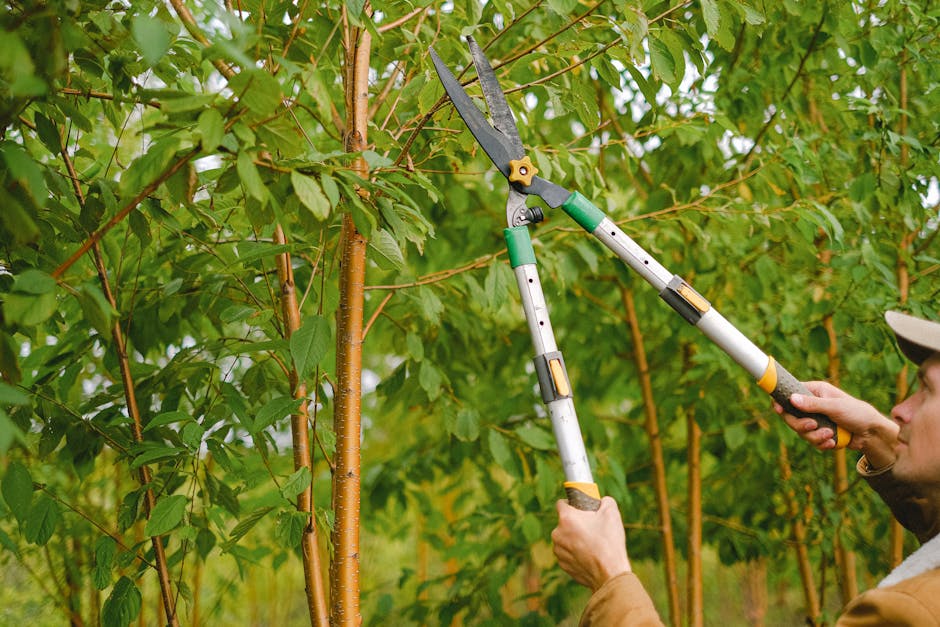
Real cost of emergency tree work Addiscombe gardeners
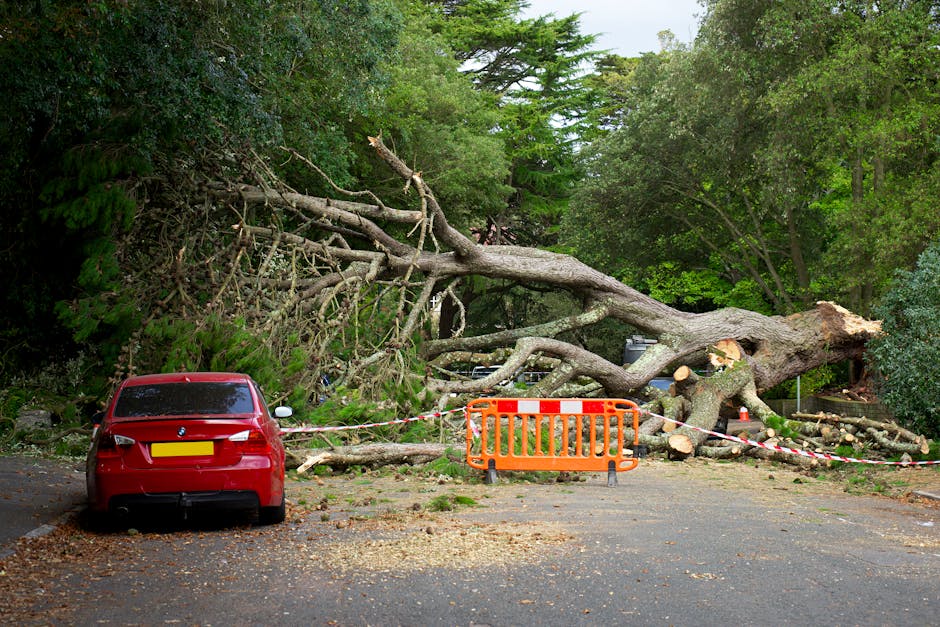
When a tree cracks in high wind, leans after a storm, or drops heavy limbs onto a drive, the question is no longer "should we deal with this?" but "how much is this going to cost, and how fast can it be handled?" That is the heart of the Real cost of emergency tree work Addiscombe gardeners topic. In a place like Addiscombe, where gardens are often close to homes, fences, sheds, parked cars, and sometimes busy shared access routes, emergency tree work is as much about safety and judgement as it is about cutting timber.
To be fair, most people do not call for emergency tree work on a calm afternoon with a cup of tea in hand. They call when branches are swaying over a roof, a tree has split, or the whole garden has that uneasy "something is about to go" feel. This guide breaks down what emergency tree work usually includes, what drives the price up or down, how reputable gardeners and tree teams approach it, and how to avoid paying more than you need to.
If your garden has been battered by weather lately, it may also help to read about storm protection for gardens and the company's insurance and safety approach before making a decision. Both matter when the job is urgent.
- Why the real cost matters
- How emergency tree work works
- Key benefits and practical advantages
- Who needs this and when it makes sense
- Step-by-step guidance
- Expert tips for better results
- Common mistakes to avoid
- Tools, resources and recommendations
- Law, compliance and best practice
- Options, methods or comparison table
- Case study or real-world example
- Practical checklist
- Conclusion
- Frequently asked questions
Why Real cost of emergency tree work Addiscombe gardeners Matters
The real cost is not just the invoice. It includes time, urgency, access, risk, waste removal, and the potential cost of doing nothing. A tree that looks "a bit dodgy" on Monday can become a roof or fence problem by Friday if a wind front moves through. That is why emergency tree work is often priced differently from planned garden maintenance or routine pruning.
In practical terms, the cost matters because it helps you decide whether the issue is a true emergency or a job that can be safely scheduled. A tree with a broken branch hanging over a path needs very different treatment from a tree that has only begun to show signs of stress. In one case, you may need immediate attendance. In the other, you may be better off arranging a standard tree surgery visit and avoiding the emergency surcharge altogether.
There is also the hidden cost of delay. Falling limbs can damage paving, decking, fences, and lawns, and the clean-up bill can quickly exceed the cost of acting early. If the tree is near a structure, the stress is not just financial. It is the kind of stress that sits in your chest until the problem is gone. Nobody needs that on a wet Tuesday evening.
A useful way to think about it: emergency tree work is expensive when the risk of waiting is high. If the tree is in contact with power lines, blocking access, or threatening a building, the value of rapid action usually outweighs the premium. If the issue is less severe, a calmer, planned response can save a fair amount.
How Real cost of emergency tree work Addiscombe gardeners Works
Emergency tree work is usually priced on a mix of call-out, labour, equipment, difficulty, and disposal. The exact setup varies by company, but the process is broadly similar. First comes the assessment: what has failed, what is at risk, and how much access is available. Then comes the decision about whether to make the tree safe immediately, remove it in stages, or stabilise it and return later for full works.
In emergency jobs, the first response is often about making the area safe rather than finishing the whole task in one go. That might mean removing loose limbs, reducing weight from a split stem, cordoning off a hazardous area, or preventing further movement while a larger plan is agreed. In the real world, that can be the difference between "sorted for now" and "major damage by breakfast."
Costs tend to rise when the job needs:
- rapid attendance outside normal hours
- specialist equipment such as climbing gear, chainsaws, rigging lines, or a stump grinder
- more than one operative for safe handling
- traffic management, parking consideration, or restricted access
- green waste removal and tidy-up after the emergency work
In Addiscombe, access can be a major factor. Narrow side returns, rear-garden access through a house, close neighbours, and awkward street parking all affect the speed of the job. A tree team may spend more time on setup than on cutting. That setup time is real work, and it shows up in the cost.
If the issue is part of a wider garden problem, such as overgrown borders, neglected hedges, or poor long-term planning, you may find it helpful to explore garden maintenance support or the wider gardening services page to understand how emergency work can sit alongside longer-term care.
Key Benefits and Practical Advantages
Emergency tree work can feel like a forced expense, but it does deliver clear benefits when the situation genuinely calls for it. The biggest one is immediate risk reduction. A damaged limb over a conservatory or a cracked stem near a driveway is not just inconvenient; it is a liability waiting to happen.
Another benefit is clarity. Once an expert has looked at the tree, you know whether it needs removal, reduction, bracing, or just monitoring. That clarity matters. People often sleep better after a proper assessment, even if the job itself is messy or a little noisy.
There is also the practical advantage of preventing secondary damage. A fallen branch can smash panels, tear fencing, flatten plants, and leave a garden looking as if a small argument happened in it overnight. Quick intervention can reduce that knock-on damage, which often saves money later on.
Other benefits include:
- restoring safe access to paths, drives, and rear gates
- reducing strain on partially failed trees
- protecting nearby structures and vehicles
- stopping decay from spreading after a break
- making it easier to plan follow-up work calmly
And honestly, there is a quieter benefit too: getting your garden back. Even a small emergency job can leave a space feeling lighter and less tense. You notice the difference when the wind drops and the branches are finally still.
Who This Is For and When It Makes Sense
This topic matters to homeowners, landlords, tenants with garden responsibilities, property managers, and anyone who shares boundary trees with neighbours. It is especially relevant if your tree is large, mature, or close to a structure. In a compact suburban garden, tree failures tend to be more disruptive because there is simply less room for things to fall safely.
Emergency tree work makes sense when the tree or branch presents an immediate danger. That can include obvious storm damage, hanging limbs, root upheaval, sudden leaning, trunk splitting, or heavy deadwood that has become unstable. It also makes sense if access is blocked and the problem is stopping you from using your own garden or driveway properly.
It may not be the right choice if the tree is simply overgrown, shading the lawn, or dropping leaves in a way that is annoying but not dangerous. In those cases, a planned visit may be much better value. If your concern is plant choice rather than emergency response, you may find best trees for limited spaces useful for future planning.
One thing people sometimes miss: a tree that looks healthy from the front can be compromised at the back. Cracks, root movement, and hidden decay are easy to overlook. That is why a proper assessment beats guesswork every time.
Step-by-Step Guidance
If you are facing an urgent tree problem, calm process beats panic every time. Here is a sensible way to handle it.
- Keep people away from the danger zone. Do not stand under hanging branches or try to pull them down yourself. It sounds obvious, but in the moment people do all sorts of brave and slightly daft things.
- Check for immediate hazards. Look for blocked exits, damaged cables, roof impact, or branches resting on structures. If there is any contact with services, treat it as serious.
- Take a few photos from a safe distance. This helps the team understand the problem before arrival and can be useful for insurance or landlord discussions later.
- Ask for an urgent assessment. Make sure the company understands whether you need same-day attendance or whether the tree can be made safe quickly and finished later.
- Describe access clearly. Mention side gates, parking restrictions, locked communal areas, dog access, and whether tools need to come through the house. It saves time.
- Confirm what is included. Does the quoted price include waste removal, stump treatment, tidying, and disposal? The "real cost" lives in these details.
- Agree the next step in writing. Even a short message is fine. Just keep the scope clear so nobody is surprised later.
If the issue turns out to be part of a broader landscape problem, it can be worth reviewing other services such as landscaping support or even fencing if the tree has damaged a boundary line. Sometimes emergency tree work is only the beginning.
Expert Tips for Better Results
In our experience, the best outcomes happen when the tree team gets accurate information before they arrive. That sounds simple, but it saves time and often lowers the final cost. If you can describe whether the tree is split, uprooted, or just shedding dangerous deadwood, the crew can bring the right kit first time.
Another useful tip: ask whether the work can be split into "make safe now" and "finish later." Emergency call-outs are often the expensive part. If the immediate risk can be dealt with quickly, the remainder of the work may be cheaper during normal hours. Not always, but often enough to matter.
It also helps to think about the long game. A tree that repeatedly causes stress may need reduction, crown management, or removal rather than repeated patch-ups. You do not want to pay emergency money twice a year for the same problem. That gets old fast.
Other practical tips:
- ask for a clear explanation of why a tree is considered urgent
- keep an eye on recurring lean, lifted roots, or new cracks after windy weather
- consider whether nearby trees may also need inspection
- book routine maintenance before storm season if the garden has mature planting
- keep drive and access routes clear so the crew can work efficiently
If you are also improving the garden after the emergency, it may help to read about strategic garden protection and reviving a neglected garden. They are good follow-ons once the immediate crisis has passed.
Common Mistakes to Avoid
Emergency tree work is one of those jobs where small mistakes become expensive quickly. The first big mistake is waiting too long. People often hope a damaged tree will "settle down." Trees do not really settle in that sense. If the structure is compromised, the risk usually rises, not falls.
The second mistake is using cost alone as the decision-maker. A very low price can mean poor equipment, insufficient staffing, or vague scope. That is not a bargain. It is a delayed headache with a receipt attached.
Other common mistakes include:
- trying to remove dangerous limbs yourself
- assuming all tree work is the same and can be compared like-for-like
- forgetting waste removal and tidy-up costs
- not checking whether access issues will affect the price
- failing to ask how the work will be made safe before full removal
Another one, and it happens a lot: not considering the garden as a whole. A damaged tree may have exposed turf, crushed ground cover, or broken shade planting beneath it. If you need to restore the space, helpful follow-up reading includes ground cover ideas and how evergreens affect turf growth.
Tools, Resources and Recommendations
You do not need a van full of specialist kit to understand an emergency tree job, but it helps to know what professionals typically use. The main tools include chainsaws, pruning saws, rigging gear, ropes, harnesses, wood chippers, ladders, and protective equipment. For the homeowner, the useful "tool" is often simply a clear phone camera and a steady description of what happened.
For general garden work, a good set of basic tools is also useful before and after the emergency. The company's garden tools guide is worth a look if you want to keep on top of routine maintenance and spot problems earlier. A tidy garden makes risks easier to see. That's not glamorous, but it is true.
Some situations benefit from linked services rather than tree work alone. For example:
- Garden maintenance for repeat care after the emergency
- Hedge trimming if surrounding growth is restricting access or visibility
- Lawn care if the emergency caused compaction or debris issues
- Patio cleaning if sap, mud, or wood debris has made surfaces slippery
For more context on related work, these pages can help: hedge trimming in Addiscombe, lawn care, and patio cleaning. They are not substitutes for tree surgery, obviously, but they often sit in the same practical conversation.
Law, Compliance, Standards, or Best Practice
Emergency tree work should be carried out with proper attention to safety, public responsibility, and local conditions. In the UK, the exact legal position depends on ownership, location, and the tree itself. If a tree is protected, part of a conservation area, or linked to a property boundary, extra care is needed before irreversible work is carried out. That is the cautious version, and it is the right one.
From a best-practice point of view, reputable teams should carry appropriate public liability insurance, use safe access methods, and assess whether the work can be done without putting people or property at greater risk. If the job is urgent, they should still work methodically. Urgent does not mean careless. It really doesn't.
You should also expect honest communication about what can be done immediately and what needs follow-up. Sometimes a tree can be reduced and made safe in one visit. Sometimes the safest answer is partial work followed by a return visit once weather, access, or lighting improves.
Good practice also means respecting neighbours, avoiding unnecessary damage to lawns or borders, and leaving the site clear enough for safe use. If a contractor seems vague about method, insurance, or disposal, that is a warning sign. A reliable outfit will usually have a clear health and safety policy and sensible terms and conditions that explain the basics plainly.
Options, Methods, or Comparison Table
Not every tree problem needs the same response. Here is a simple way to compare the main options.
| Option | Best for | Cost pressure | Speed | Typical downside |
|---|---|---|---|---|
| Emergency make-safe visit | Immediate danger, hanging branches, blocked access | Higher due to urgency | Fastest | May not complete the full job in one go |
| Planned tree surgery | Overgrowth, shaping, long-term tree health | Usually better value | Scheduled | Not suitable for active hazards |
| Partial reduction or pruning | Reducing weight or risk without full removal | Mid-range | Moderate | May need repeat visits |
| Full removal | Severely damaged, unstable, or failing trees | Often highest overall | Depends on size and access | Leaves a gap and possible stump work |
If your goal is to prevent future emergencies, the cheapest option in the long run is often planned maintenance. Tree structure, surrounding planting, and storm exposure all play a part. For future planting decisions, the article on fast-growing privacy hedges may help you choose more manageable planting around the home.
Case Study or Real-World Example
A typical Addiscombe-style scenario goes like this. After a windy night, a homeowner notices a mature tree leaning more than usual toward the back fence. One large branch has split and is hanging low enough to brush a shed roof. The garden is narrow, there is a side passage, and access is tight. The owner is tempted to wait until the weekend. Fair enough, that temptation is common.
But after a closer look, the branch is clearly unstable. The team attends, makes the area safe, removes the loose material, and reduces weight from the failing section. The tree is not necessarily removed completely. In many cases, the real cost is much lower than the fear cost once the job is broken into stages. The owner pays for urgency, yes, but also for avoiding a broken roof panel, a blocked rear exit, and the sort of noise that would have had the neighbours peering over fences by dawn.
The key lesson is simple: emergency tree work often looks expensive at the front end, but delay can multiply the problem. The best outcome is usually not the cheapest immediate-looking one. It is the one that stops the situation becoming a bigger and uglier bill later.
Practical Checklist
Use this before you book emergency tree work:
- Is anyone or anything in immediate danger?
- Have you kept people away from the affected area?
- Do you know whether the tree is split, uprooted, or just unstable?
- Have you taken photos from a safe distance?
- Have you checked access, parking, and gate width?
- Do you understand whether the quote includes waste removal?
- Have you asked if the job can be split into emergency and follow-up work?
- Do you know whether nearby fencing, patios, or lawns may need repair after the tree work?
- Have you asked about insurance and safety practices?
- Are you clear on next steps if the tree turns out to need full removal?
One last practical thought: if the tree has damaged the wider garden layout, you may eventually want to discuss tree surgery as a broader service area, not just an emergency response. That can help you move from "panic mode" to a proper plan.
Get a free quote today and see how much you can save.
Conclusion
The real cost of emergency tree work is never just about the invoice. It is about urgency, access, safety, waste, the level of risk, and whether you act before a manageable problem becomes a proper mess. In Addiscombe, where many gardens are compact and trees sit close to homes and boundaries, that calculation matters a lot.
If you remember only one thing, make it this: emergency work is for danger, not for general tidying. If the issue is urgent, get it made safe. If it is not urgent, plan it properly and save money where you can. Simple, really. Not always easy, but simple.
And if the tree problem has shaken the whole garden into a state of unease, that is understandable. A good response now can bring the space back to life later, quietly and properly.
Frequently Asked Questions
What is the real cost of emergency tree work in Addiscombe?
It usually depends on urgency, access, tree size, risk level, equipment needed, and whether waste removal is included. Emergency attendance is typically more expensive than planned work because the response has to be fast and often outside normal scheduling.
Why does emergency tree work cost more than routine pruning?
Because the team is being asked to respond quickly, often to a higher-risk situation. That can mean extra labour, special equipment, more preparation, and more time spent on making the site safe before the actual tree work starts.
Can a tree emergency be made safe without full removal?
Yes, often it can. Many jobs are handled in stages, with immediate make-safe work first and more detailed pruning or removal later. That can be a much better value than forcing a full emergency removal if it is not needed.
How do I know if my tree issue is really an emergency?
If the tree is split, leaning suddenly, shedding dangerous limbs, blocking access, or threatening a building, treat it as urgent. If it is just overgrown or untidy, it may be suitable for a planned appointment instead.
Does access affect the price of emergency tree work?
Very much so. Tight side access, difficult parking, rear-garden-only entry, or the need to carry equipment through a property can all increase time and effort, which can push the cost up.
Should I try to cut the branch myself first?
No, not if it is unstable or overhead. Hanging or cracked branches can shift suddenly. It is safer to keep away and get professional help. A quick DIY attempt can turn a difficult job into a dangerous one.
Will emergency tree work include clearing up the mess?
It depends on the contractor and the quote, so always ask. Some prices include waste removal and tidy-up; others only cover the urgent safety work. The real cost is clearer when those details are written down.
Is storm damage always covered by insurance?
Not always, and it depends on the policy and the circumstances. It is sensible to document the damage, keep photos, and check your cover. A tree team may be able to advise on the practical side, but they cannot confirm insurance terms for you.
What should I ask before booking urgent tree work?
Ask how soon they can attend, what is included, whether waste removal is extra, whether the work will be make-safe or complete removal, and what safety steps they will take. Those questions usually reveal whether the quote is realistic.
Can emergency tree work be delayed until daylight?
Sometimes, yes, if the risk is stable and the area can be secured safely. But if there is immediate danger to people, buildings, or access routes, waiting is not a good idea. A professional assessment is the safest way to decide.
How can I reduce the chance of paying emergency rates again?
Regular inspection, sensible pruning, and keeping an eye on weak limbs after windy weather all help. Planning tree surgery before problems become urgent is usually the best long-term value. A little prevention goes a long way, honestly.
Who should I contact if I need help quickly?
If you need urgent advice or want to discuss a likely emergency, use the company's contact page and explain the situation clearly. The more detail you can give, the quicker the response is likely to be.