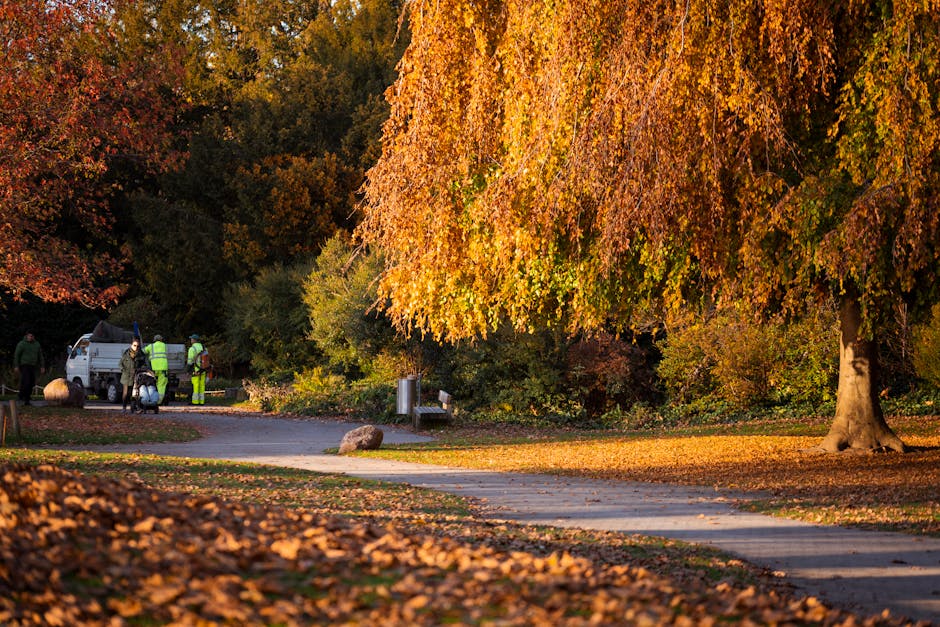
Addiscombe gardeners for Ashburton Park maintenance: a practical guide to keeping a shared green space thriving
When a park feels fresh, tidy, and genuinely inviting, people notice straight away. That is especially true for Ashburton Park, where regular upkeep does more than keep the grass cut and the beds neat. It protects usability, supports biodiversity, and helps the space stay welcoming through wet weeks, dry spells, and the odd windy day that makes everything look a bit weary by 3 p.m. If you are exploring Addiscombe gardeners for Ashburton Park maintenance, this guide explains what that really involves, how the work is planned, and what good local garden care should look like in practice.
We will look at the tasks that matter most, where specialist support makes a real difference, and how to judge whether a maintenance plan is actually doing its job. You will also find a checklist, a comparison table, and a few grounded tips that can help whether you manage a communal green space, support a local project, or simply care about keeping the park in fine shape.
Table of Contents
- Why Addiscombe gardeners for Ashburton Park maintenance Matters
- How Addiscombe gardeners for Ashburton Park maintenance Works
- Key Benefits and Practical Advantages
- Who This Is For and When It Makes Sense
- Step-by-Step Guidance
- Expert Tips for Better Results
- Common Mistakes to Avoid
- Tools, Resources and Recommendations
- Law, Compliance, Standards, or Best Practice
- Options, Methods, or Comparison Table
- Case Study or Real-World Example
- Practical Checklist
- Conclusion
- Frequently Asked Questions
Why Addiscombe gardeners for Ashburton Park maintenance Matters
Park maintenance sounds straightforward until you are responsible for the day-to-day reality of it. Then it becomes a mix of mowing, pruning, litter control, edging, weed suppression, seasonal planting, path-side tidying, and a hundred small details that make the difference between a park that feels cared for and one that slowly slips into neglect. In a place like Ashburton Park, those small details matter because they shape how people use the space.
Well-maintained parks encourage quieter, more respectful use. Parents feel more comfortable with children running about. Dog walkers notice where boundaries are clear. Older residents tend to stay longer if benches and paths feel clean and accessible. And to be fair, people are more likely to pick up after themselves when the surroundings already look looked after. It is a small human thing, but it is real.
Addiscombe gardeners bring local understanding that can be especially useful in a shared outdoor setting. They know the rhythm of the seasons here, the pressure that footfall can put on turf, and the sort of maintenance that stops a space from becoming patchy or overgrown. If you have ever seen a neglected verge before a spring cut-back, you will know how quickly a tidy edge can disappear. A good maintenance routine prevents that drift.
There is also a practical side that weaker articles often miss: park maintenance is not only about appearance. It is about safety, access, plant health, and long-term cost control. Let a shrub bed go unchecked for one season and you may end up with tangled stems, poor airflow, unwanted self-seeding, and more time spent correcting issues later. Regular care is usually calmer, cheaper, and less disruptive than rescue work. That is true in almost any garden setting, but in a public or semi-public park the stakes feel a bit higher.
How Addiscombe gardeners for Ashburton Park maintenance Works
Good park maintenance usually starts with a site walk and a realistic plan. That plan should not be built around guesswork. It should account for the condition of lawns, shrubs, trees, paths, borders, shading, drainage, and seasonal wear. From there, the work is usually broken into a repeatable schedule. That schedule might be weekly, fortnightly, or seasonal depending on the size of the area and the level of use.
In practical terms, a maintenance visit often includes a mix of the following:
- Lawn mowing and tidy strimming around edges and obstacles
- Weed removal from beds, borders, and hard surfaces
- Hedge trimming and shrub shaping where needed
- Tree care checks, including deadwood monitoring and clearance issues
- Leaf clearance, particularly in autumn and after wet, windy spells
- Pruning of seasonal growth to keep sightlines open and planting healthy
- Border tidying, mulching, and replanting if areas have thinned out
- Path and patio cleaning where surfaces have become slippery or stained
Depending on the layout, maintenance can also involve targeted improvements. For example, a shady corner may benefit from ground cover planting rather than bare soil that keeps inviting weeds. In a tight or awkward area, better plant choices can reduce ongoing labour. If you want ideas for compact planting, the guide on trees suited to limited spaces is a helpful starting point, especially where mature size has to be managed carefully.
One thing that really helps in park work is consistency. A park does not usually fail all at once. It drifts. A missed cut becomes a longer cut. A small weed patch becomes a seed source. A weak tree inspection becomes a branch issue after a storm. Routine maintenance is what keeps those little warnings from turning into bigger headaches. Nothing glamorous, but very effective.
Key Benefits and Practical Advantages
The obvious benefit is a better-looking park, but that is only the surface. Properly managed garden maintenance in a shared space gives you a series of longer-term wins that are easy to underestimate until they are gone.
| Maintenance approach | Main strength | Typical drawback | Best for |
|---|---|---|---|
| Reactive clean-up | Quickly improves obvious mess | Does not prevent repeat problems | One-off recovery jobs |
| Routine scheduled care | Prevents decline and keeps standards stable | Needs planning and consistency | Shared parks and communal gardens |
| Seasonal specialist work | Targets major tasks at the right time | Can miss small ongoing issues | Tree work, reshaping, planting changes |
For Ashburton Park, the biggest practical benefits usually include:
- Better safety through clear paths, reduced slip hazards, and managed overgrowth
- Longer plant life because shrubs, turf, and trees are maintained before stress builds up
- Cleaner presentation that makes the park feel cared for day after day
- Lower long-term costs by reducing the need for major restorative work
- Improved accessibility with clearer edges, safer access points, and less obstruction
- Greater biodiversity balance when maintenance supports healthy planting rather than simply stripping everything back
There is a subtle but important benefit too: a maintained park invites better use. People tend to spend longer in spaces that feel ordered but not over-managed. That balance is not always easy to hit. Too much intervention can make a park feel sterile. Too little, and it feels forgotten. The sweet spot is usually somewhere in the middle, and a skilled local gardener knows how to keep that line.
If you are building out a more resilient planting scheme nearby, the article on ground covers for UK gardens can help with weed suppression and low-maintenance coverage in exposed or awkward spots.
Who This Is For and When It Makes Sense
This kind of service is not just for councils or large estates. It can be useful for a wide range of people and groups who want a local green space to stay attractive and functional without constant emergency fixes.
You might need Addiscombe gardeners for Ashburton Park maintenance if you are:
- A resident or local organiser supporting the upkeep of a shared park space
- A property manager looking after nearby communal greenery
- A community group trying to improve a tired or underused outdoor area
- A school, nursery, or care setting that uses adjacent green space regularly
- A business or venue that wants surrounding planting kept clean and welcoming
It makes sense when the work is too regular, too technical, or too time-sensitive to handle casually. If the grass is being used constantly, for example, the cutting pattern matters more than most people think. If a hedge is growing into a path, trimming should happen before access starts feeling cramped. And if shaded areas are turning patchy, you may need a planting adjustment rather than just another mow. Easy to say, yes. But that is usually where the real savings are.
For spaces that have become unruly, the piece on revamping a neglected garden is useful because the same principles apply to larger shared areas: clear the worst pressure points first, then rebuild in stages.
Step-by-Step Guidance
If you are planning or reviewing maintenance for Ashburton Park, a structured approach helps keep everyone on the same page. Here is a simple way to think about it.
- Assess the current condition. Walk the site and note lawn quality, weed pressure, hedge shape, tree canopy issues, drainage trouble spots, and any damaged or neglected zones.
- Identify priorities. Some areas are cosmetic, others are safety-related. Path edges, low-hanging branches, and slippery surfaces usually come first.
- Set a realistic schedule. Weekly tasks are not the same as seasonal jobs. Be honest about what needs attention every visit and what only needs checking monthly.
- Match tasks to the season. Spring brings growth, summer brings mowing and watering stress, autumn brings leaf build-up, and winter brings pruning windows and weather damage.
- Use the right method for each zone. Lawns, borders, hedges, and tree belts all need different handling. One approach for everything tends to cause more problems than it solves.
- Record what has been done. Even a simple log helps. It shows when hedges were cut, when weeds were removed, and where follow-up work is due. Useful, boring, essential.
- Review and adapt. If one area is getting battered by shade or foot traffic, adjust the planting or maintenance pattern rather than repeating the same fix.
A useful rule of thumb: if the same problem keeps returning, you may be treating the symptom rather than the cause. For example, repeated moss in turf can point to shade, drainage, or compaction, not just a need for more sweeping. In that kind of situation, services such as lawn care and regular mowing work best when they are part of a broader turf strategy.
If the park includes patches of climbing growth or dense shade, a more selective approach may help. The guide on evergreen climbers for shade is a good reminder that not every difficult corner needs brute force. Sometimes it needs the right plant, not more pruning. Strange but true.
Expert Tips for Better Results
After a while, garden maintenance becomes less about effort and more about judgement. A few smart habits make a big difference.
- Trim before growth becomes unruly. Light, regular hedge and shrub work is cleaner than waiting for one huge cut.
- Protect root zones. Constant compaction around trees and mature shrubs is one of those slow problems that sneaks up on you.
- Choose resilient planting. In exposed or high-use areas, plant choices should reflect shade, wind, and footfall rather than just appearance.
- Prioritise access lines. Keep entrances, paths, and bench areas uncluttered so the park feels usable, not just tidy from a distance.
- Work with the weather. Cutting after heavy rain or during drought stress can make lawns and plants look worse, not better.
- Keep an eye on weed sources. Weeds often return from edges, cracks, and neglected corners. Deal with those first.
Another useful tip is to think in layers. A park is not only grass. It is turf, shrubs, trees, ground cover, hard surfaces, and circulation space all at once. If one layer is failing, the whole place can feel off. For example, a healthy lawn can still look tired if borders are full of weeds. Likewise, beautiful shrubs can be undermined by muddy, slippery paths. The whole picture matters.
If you want to build more stable planting with less long-term fuss, take a look at low-maintenance garden design on a budget. The principles translate well to public and communal areas where durability is more important than constant replanting.
And yes, the right tools matter. A lot. The guide on essential gardening tools is worth a look if you want to understand why decent kit saves time and improves finish. A blunt tool is a mood killer, to be fair.
Common Mistakes to Avoid
Most maintenance problems come from a few predictable habits. The good news? They are avoidable once you know what to watch for.
- Cutting too much at once. Hard reductions can shock hedges and leave plants looking patchy for weeks.
- Ignoring the edges. Borders, fence lines, and path margins are where neglected growth often starts.
- Using the wrong plant in the wrong place. A tree that is fine in a spacious plot may be awkward in a tighter park setting.
- Focusing on mowing only. Turf is just one part of the story. Without weed control, edging, and drainage awareness, lawns quickly lose quality.
- Leaving storm damage for later. Fallen branches, bent stems, and loosened debris can become safety issues fast.
- Overlooking shade and wind. These conditions are not side issues. They shape the whole maintenance plan.
One of the sneakiest mistakes is underestimating how much work a mature evergreen belt can create around turf. Dense planting can suppress light and airflow, which affects lawn health. If that sounds familiar, the article on evergreen trees and turf growth issues explains why that combination needs careful handling.
Another common misstep is treating ivy as harmless because it looks neat in winter. In reality, it can take over fences, walls, and borders if it is not managed properly. If that is part of the site, the advice in professional ivy removal methods is directly relevant. Not dramatic, just practical.
Tools, Resources and Recommendations
The right tools make maintenance smoother, safer, and less disruptive. In a park environment, that tends to matter more than people expect because time, access, and finish all count.
- Commercial-quality mowers and strimmers for regular turf upkeep
- Secateurs, loppers, and hedge trimmers for trimming and shaping
- Leaf blowers or rakes for autumn clearance and hard-surface tidying
- Weed tools for manual removal in borders and tight spaces
- Wheelbarrows, sacks, and waste handling equipment for efficient clearance
- Gloves, eye protection, and sturdy footwear for everyday safety
For gardeners planning broader improvements, a few supporting reads can help shape better decisions. If the site needs more structural planting, see tree ideas for smaller spaces. If shaded zones need a softer finish, the guide to useful ground covers is worth keeping in mind. For resilience in difficult weather, the piece on storm protection for gardens is especially practical.
If the park is being reconsidered more broadly, you may also find value in landscaping support and tree surgery services where larger structural work is needed. Those are not everyday jobs, obviously, but when they are needed, they need doing properly.
Law, Compliance, Standards, or Best Practice
For public or shared spaces, maintenance is not only about appearance. It also needs to be carried out with care for safety, access, and proper handling of materials. UK guidance and local duties can vary depending on ownership, tenancy, or management structure, so it is wise to treat compliance as a planning issue rather than an afterthought.
In practical terms, good best practice usually includes:
- Keeping walkways clear and reducing obvious trip or slip hazards
- Managing pruning and tree work carefully, especially around public access routes
- Using safe methods for waste removal and disposal
- Maintaining clear working boundaries so the public can see where maintenance is taking place
- Recording tasks where it helps with accountability and follow-up
For garden contractors and maintenance teams, risk awareness matters as much as horticultural skill. Wet surfaces, hidden debris, sharp tools, and overhead work all bring ordinary but real risks. That is why a responsible provider should have clear safety processes in place. If you want a sense of how that is handled, the site pages on health and safety policy and insurance and safety are useful trust signals.
It is also sensible to understand the service terms and how issues are handled. Pages such as terms and conditions, payment and security, and complaints procedure help set expectations before work starts. No one loves reading the fine print, granted, but it saves awkwardness later.
Options, Methods, or Comparison Table
There are a few ways to organise park maintenance, and the best choice depends on budget, pressure on the site, and the level of finish expected.
| Method | What it looks like | Strengths | Limitations |
|---|---|---|---|
| Basic maintenance only | Mowing, clearing, and light tidying | Affordable and simple to run | Can leave underlying issues untreated |
| Routine maintenance plus seasonal work | Regular care with pruning, planting, and leaf clearance | Better long-term appearance and plant health | Needs planning across the year |
| Maintenance plus improvement projects | Ongoing care alongside targeted upgrades | Best for tired or evolving parks | More coordination needed |
For most local park settings, the second option is the sweet spot. It keeps the site presentable while also preventing deeper decline. The third option is ideal if Ashburton Park needs a gentle refresh over time, perhaps with better planting structure, improved borders, or better separation between hard surfaces and soft landscaping.
If you are looking at a broader service mix, garden maintenance is the natural foundation, while general gardening services can cover more varied jobs as needed. For surfaces and access routes, patio cleaning can be a surprisingly useful finishing touch where paving is part of the public experience.
Case Study or Real-World Example
Imagine a local green space where the grass has become uneven from repeated use, the hedge line is starting to bulge into a footpath, and the shaded border at one end is looking thin and weedy. Nothing dramatic. Just a space that has slowly lost its shape.
A sensible maintenance response would not start with a major overhaul. It would begin with the basics: clear the path edges, reduce the hedge back to a manageable line, remove weeds from the border, and restore a consistent mowing rhythm. Then comes the judgement part. The shaded border may need a more suitable ground cover, while the turf in the denser shade may need improved care or a lighter-touch planting rethink.
After a few visits, the difference is usually noticeable. The path feels wider. The hedge reads as intentional rather than overgrown. The border stops looking like a patch of forgotten ground. And the park suddenly feels as though someone is paying attention again, which, honestly, changes how people behave in it.
That kind of result is rarely about one heroic intervention. It is more often the outcome of steady work, sensible choices, and a willingness to fix root causes rather than just tidying the symptoms. Small improvement, repeated well. That is the whole game.
Practical Checklist
Use this as a quick working checklist when planning or reviewing Ashburton Park maintenance.
- Check grass condition, mowing frequency, and edge definition
- Inspect hedges and shrubs for shape, density, and safety issues
- Look for weeds in borders, cracks, and fence lines
- Clear leaves, litter, and loose debris from paths and seating areas
- Review tree health, low branches, and deadwood risks
- Identify shaded, windy, or waterlogged problem zones
- Confirm waste removal and disposal arrangements
- Keep a simple record of work completed and follow-up needed
- Adjust planting or maintenance methods where problems keep repeating
- Make sure the space still feels accessible, clean, and welcoming
If you need help deciding which services fit the site best, the page on about us gives useful context on the team behind the work, while pricing and quotes can help you understand the next practical step.
For anyone who wants to reach out directly, the most straightforward route is the contact page.
Conclusion
Addiscombe gardeners for Ashburton Park maintenance is really about more than tidying green space. It is about protecting a shared place so that it keeps working well for the people who use it. When maintenance is done properly, the park feels safer, fresher, and easier to enjoy. It also becomes less vulnerable to the slow creep of weeds, worn turf, awkward growth, and seasonal mess.
The strongest approach is usually steady and practical: regular mowing, selective pruning, smart planting choices, tidy edges, and honest attention to problem areas before they spread. Nothing flashy. Just good, dependable care. If the space is looked after with that kind of consistency, it has a much better chance of staying attractive through the year, even when the weather is being a bit unkind.
Get a free quote today and see how much you can save.
And if you are still weighing things up, that is fair enough. A good park takes thoughtful work, not rushed decisions, and it is worth getting the basics right.
Frequently Asked Questions
What do Addiscombe gardeners for Ashburton Park maintenance usually handle?
They typically cover mowing, edging, weeding, hedge trimming, shrub care, leaf clearance, tidy-up work, and seasonal maintenance. Larger jobs such as tree work or landscape changes may also be part of the plan if the site needs them.
How often should a park like Ashburton Park be maintained?
That depends on footfall, planting style, and the time of year. Busy green spaces often need weekly attention in growing seasons, with less frequent but still regular visits in colder months.
Is park maintenance different from private garden maintenance?
Yes. Public or shared spaces usually need more focus on access, safety, consistency, and wear from repeated use. The plants may be similar, but the management approach is usually more structured.
Can maintenance help revive a neglected park area?
Absolutely. A neglected space usually responds well to a staged approach: clearing, cutting back, restoring shape, and then improving the planting or ground cover where needed. It is rarely a one-day fix, though.
What problems are most common in shared green spaces?
Overgrown edges, patchy turf, weeds, low-hanging branches, leaf build-up, compacted soil, and awkward shaded corners are all common. Wind exposure and drainage trouble can also be bigger issues than they first appear.
Do gardeners need special equipment for park work?
Often, yes. Regular domestic tools may not be enough for larger areas or heavier growth. Stronger mowers, hedge trimmers, strimmers, and safe waste-handling equipment can make a big difference.
What should I ask before hiring a gardening team for park maintenance?
Ask about their maintenance schedule, insurance, safety approach, waste disposal, seasonal planning, and how they handle recurring issues. It is also sensible to ask what is included and what would count as extra work.
How do I know if the maintenance plan is working?
You should see stable grass quality, cleaner edges, fewer weeds, healthier planting, and fewer urgent problems between visits. If the same issues keep returning, the plan probably needs adjusting.
Does maintenance include tree care and hedge trimming?
It can, depending on the size and complexity of the site. Some work is light trimming, while bigger or higher-risk jobs may need specialist attention. For hedge-related tasks, the hedge trimming service may be relevant where boundaries and screening need careful shaping.
What if the park has areas with poor shade or wind exposure?
That is common, and it needs the right planting strategy. Shade-tolerant climbers, tougher ground cover, or wind-aware planting choices may be better than forcing standard lawn or border solutions into awkward conditions.
Can maintenance be adapted for wildlife and biodiversity?
Yes, and ideally it should be. A good plan balances neatness with habitat value by avoiding unnecessary clearing and using suitable planting choices. The goal is a healthy, usable park, not a stripped-back space with no character at all.
Who should I contact to discuss a maintenance request?
The simplest next step is to use the site's contact page. From there, you can explain the site condition, the type of work needed, and how often you think the area should be maintained.